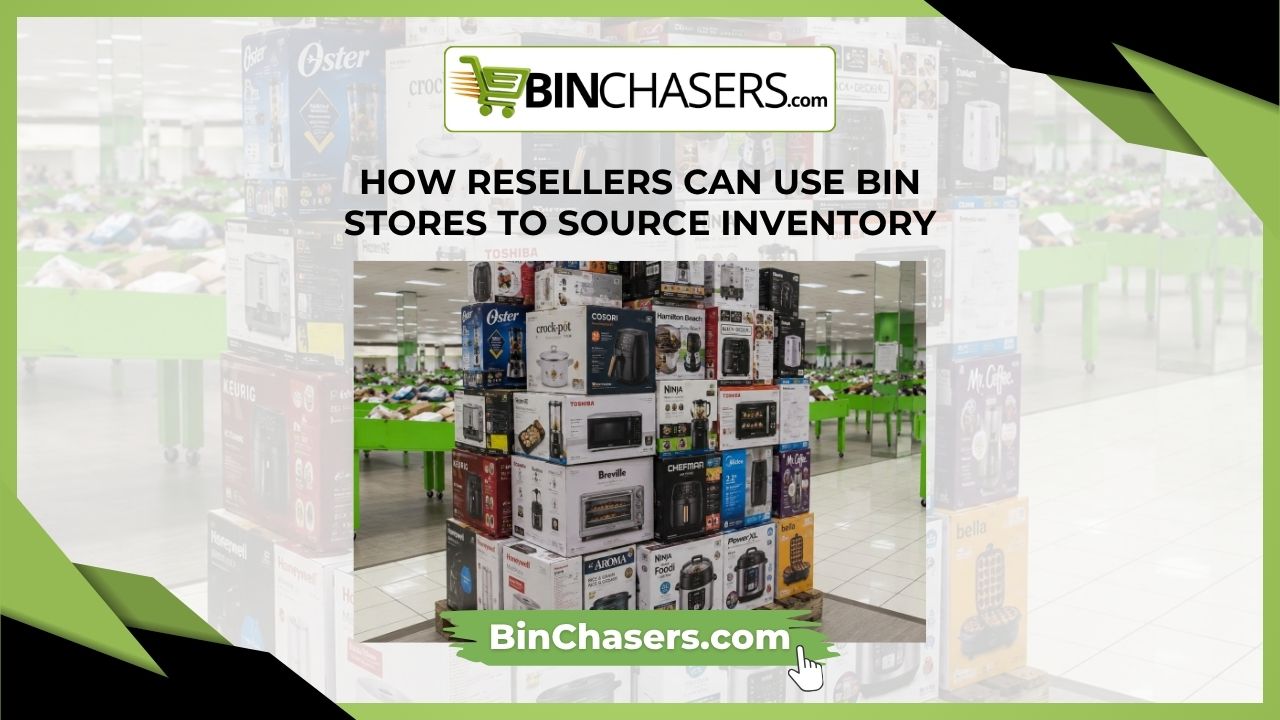
How Resellers Can Use Bin Stores to Source Inventory
How Resellers Can Use Bin Stores to Source Inventory
For resellers, finding good inventory at the right price is everything. You need items people actually want, prices low enough to leave room for profit, and a steady way to keep your shelves, booths, or online listings filled.
That’s where bin stores can be a smart place to shop.
A bin store is different from a regular discount store. Instead of neatly organized aisles with fixed shelves, you’ll usually find large bins filled with mixed merchandise. Many items come from liquidation, retail returns, overstock, shelf pulls, or open-box products. Some are brand new, some may have damaged packaging, and some need a quick check before buying.
For resellers, that mix is exactly what makes it interesting.
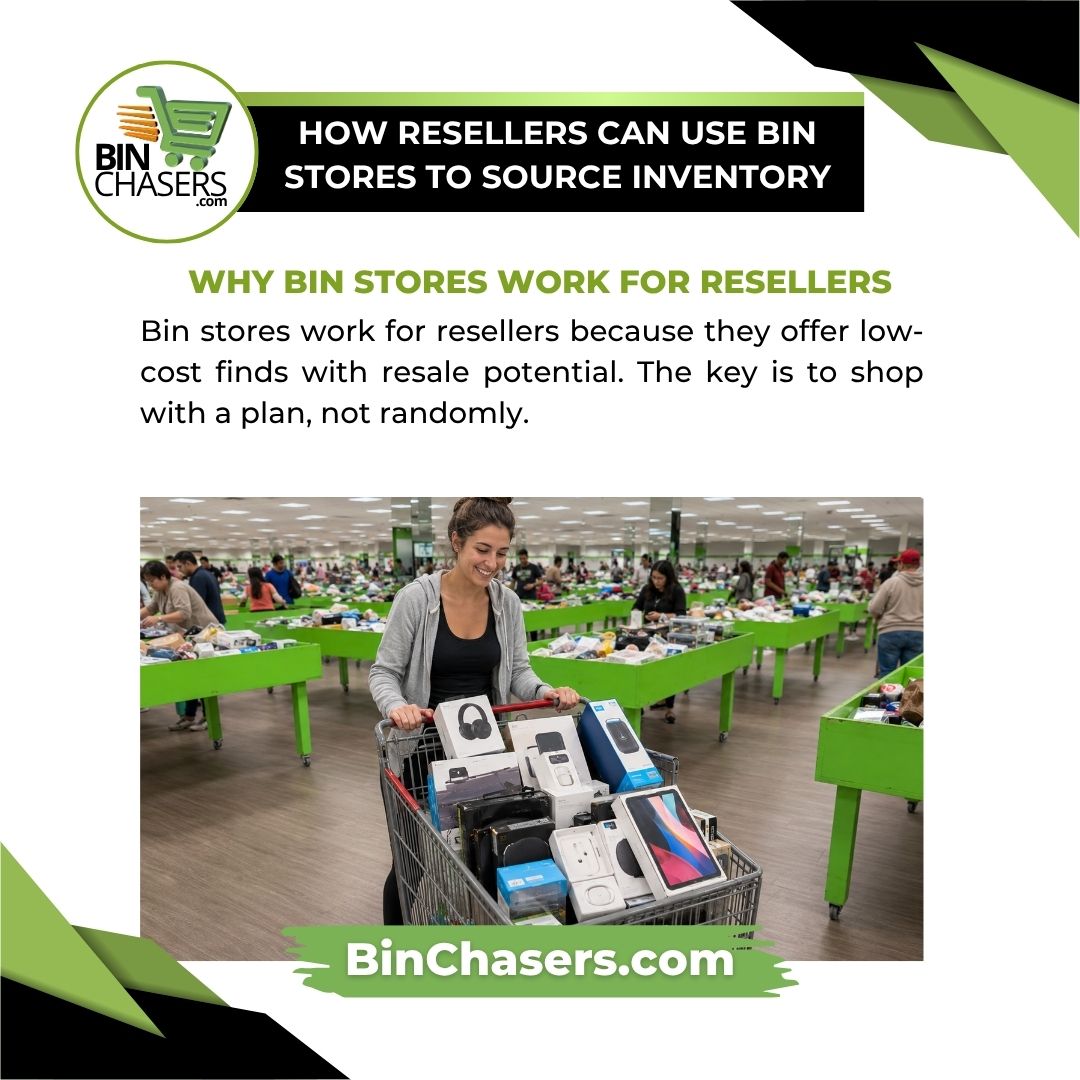
Why Bin Stores Work for Resellers
Bin stores are popular because they create a treasure hunt shopping experience. You never know exactly what will show up, and that surprise is part of the fun. For everyday shoppers, it means finding useful items for less. For resellers, it means finding potential inventory at prices that may leave room for resale profit.
You might come across small electronics, home goods, kitchen items, toys, beauty tools, organizers, accessories, or other everyday products. Some items may be perfect for online resale. Others may be better for a booth, flea market, garage sale setup, local marketplace, or bundle deal.
The key is not to shop randomly. Resellers need to shop with a plan.
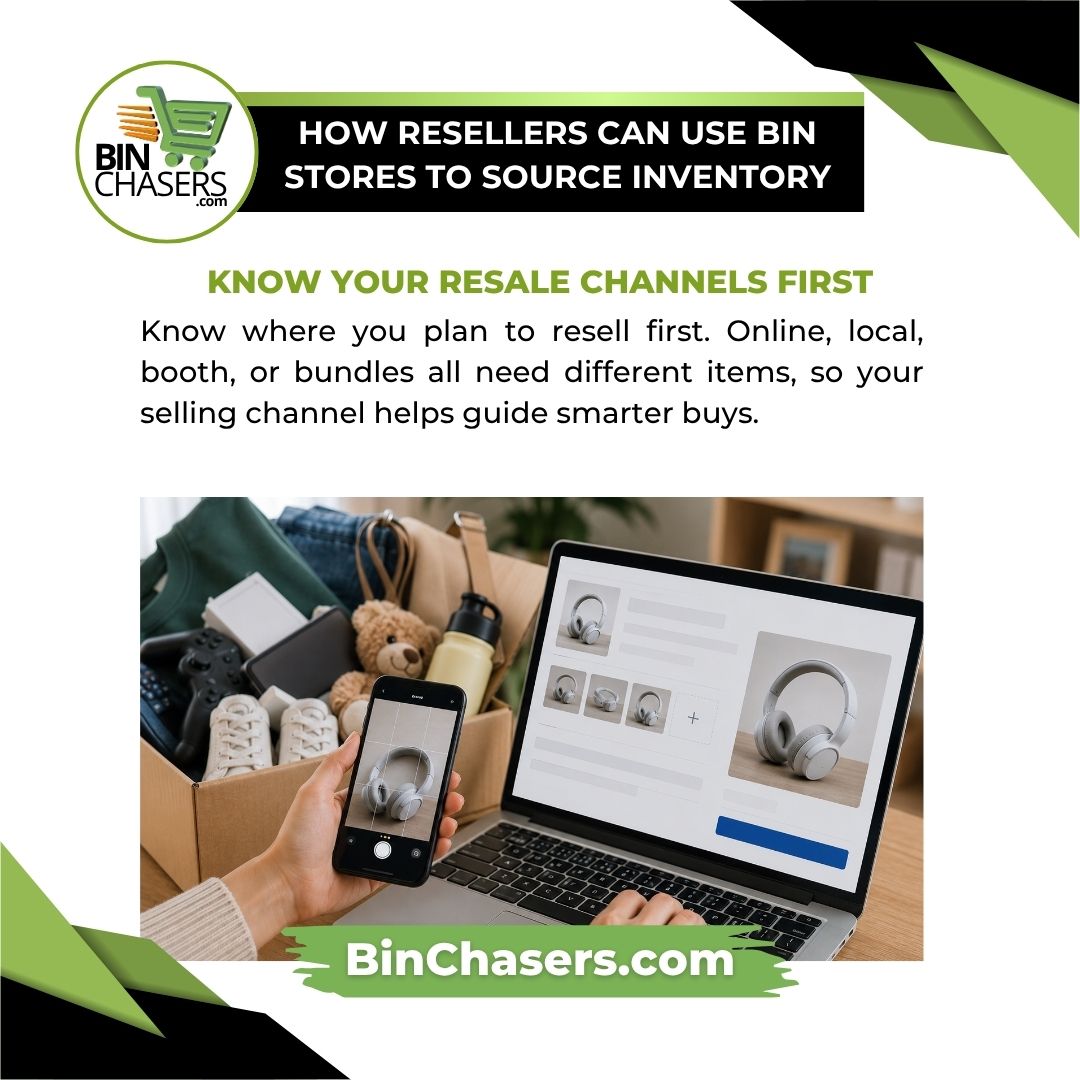
Know Your Resale Channels First
Before you start filling your cart, think about where you plan to sell.
Are you listing items online? Selling locally? Stocking a booth? Creating bundles? Supplying a small resale shop?
Each channel needs a different kind of inventory. Online resellers may care more about brand names, model numbers, and easy shipping. Local sellers may do better with bigger household items, storage products, tools, or small appliances. Booth sellers may want clean, useful items that people can grab without needing much explanation.
When you know your selling channel, it becomes easier to decide what is worth buying and what to leave behind.
Check the Price Before You Buy
One of the best habits for reseller shopping is quick price checking.
When you find an item that looks promising, look it up before putting it in your cart. Check what it sells for online, not just what it is listed for. A high retail price does not always mean strong resale value.
Pay attention to:
Current selling price
Similar sold listings
Shipping cost
Condition
Missing parts
How fast the item seems to move
A $12 item may be a great buy if it can resell for much more. But a $3 item may be the smarter deal if it moves quickly and is easy to list, pack, or display.
Look for Easy-to-Understand Items
Not every item is reseller-friendly. Some products take too much testing, too much explanation, or too much time to sell.
Good reseller finds are usually simple. The buyer can understand what it is right away. Think storage bins, kitchen tools, beauty accessories, small gadgets, home organization items, pet supplies, cleaning tools, or boxed household products.
If an item needs missing instructions, special parts, or long testing before you can sell it, be careful. The profit may not be worth the time.
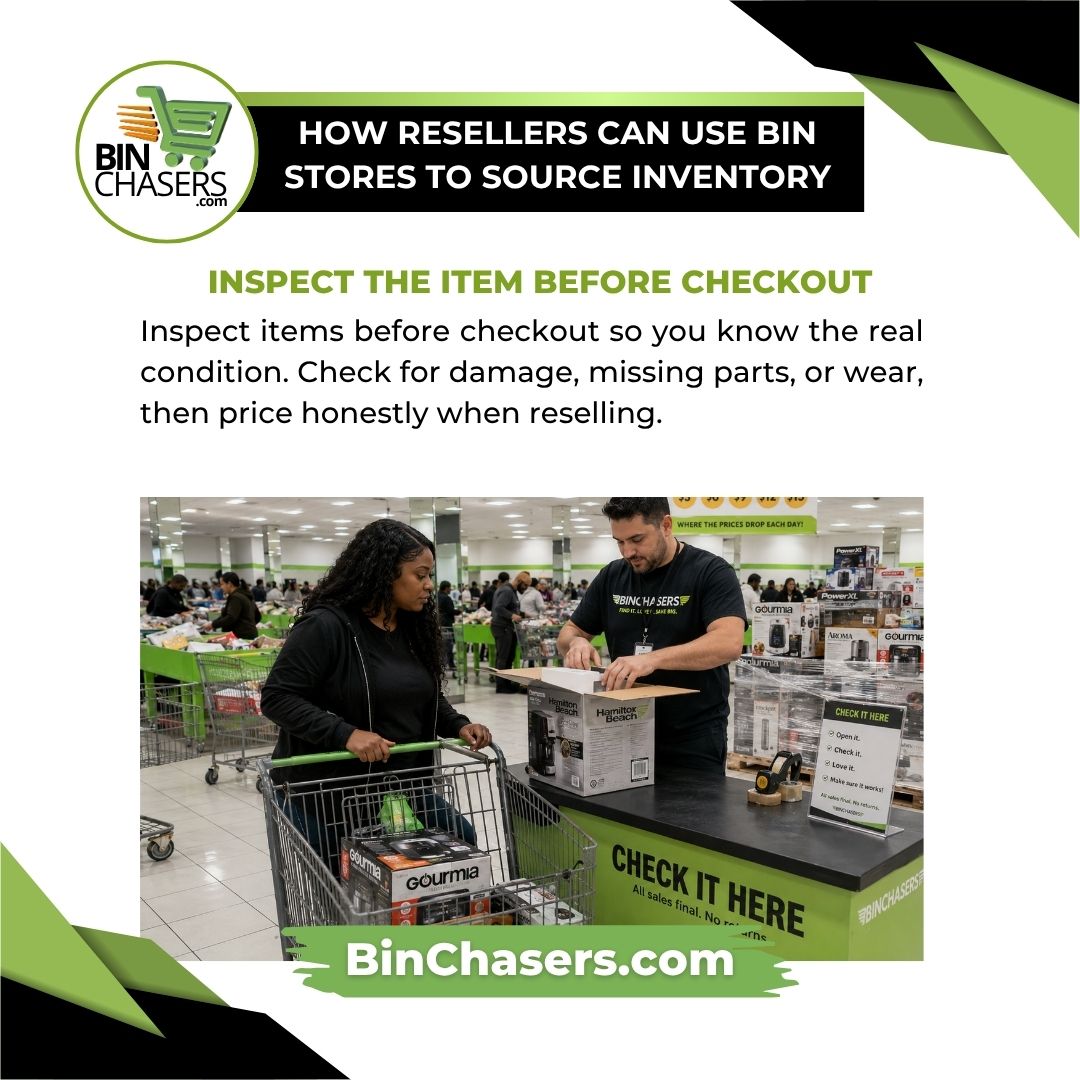
Inspect the Item Before Checkout
Bin store items can vary in condition, so inspection matters.
Check the box. Look for damage. Open it if the store allows it. Make sure important pieces are included. If it is electronic, check whether it looks used, damaged, or missing cords. If it is a home item, look for cracks, dents, or stains.
This does not mean every open-box item is bad. Many open-box items are still perfectly useful. But as a reseller, you need to know what you are buying so you can price it honestly later.
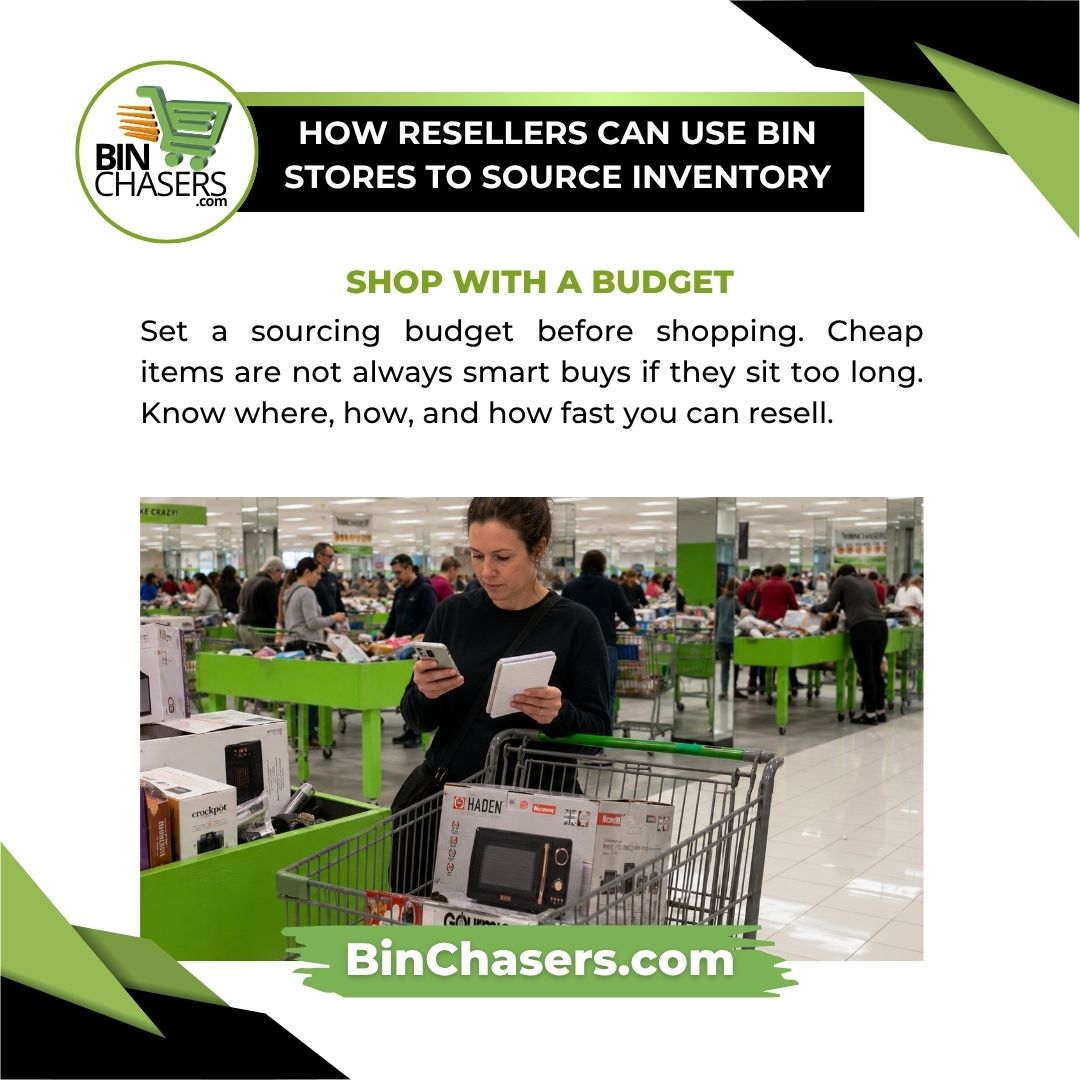
Shop With a Budget
It is easy to get excited in a liquidation store. One good find turns into five, then suddenly your cart is full.
Set a sourcing budget before you walk in. This helps you stay focused and avoid buying items just because they seem cheap. Cheap inventory is not helpful if it sits around and takes up space.
A good rule is to ask yourself: “Can I sell this, where will I sell it, and how quickly can I move it?”
If you cannot answer those questions, it may not be the right item for your resale plan.
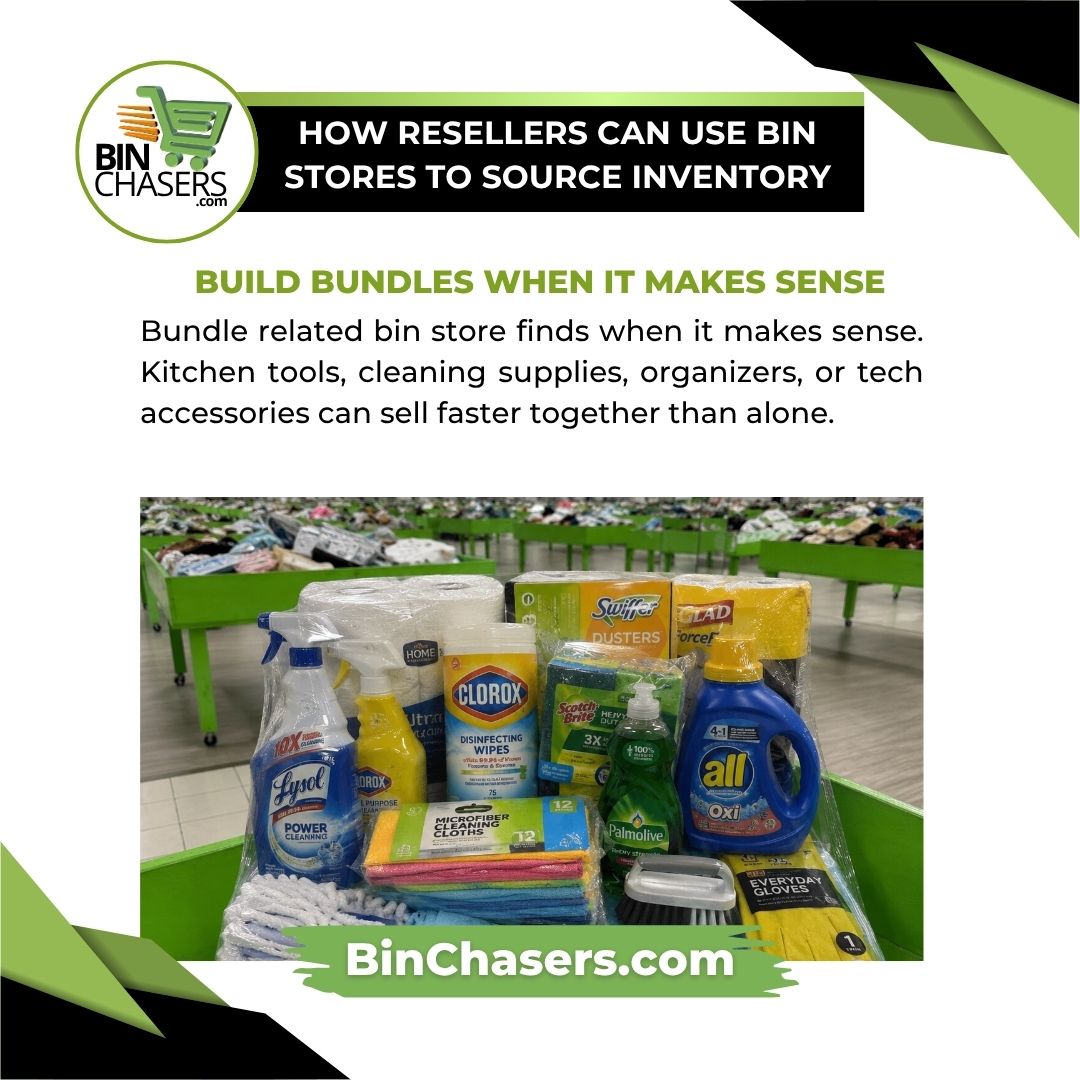
Build Bundles When It Makes Sense
Some bin store finds work better together than alone.
For example, you might bundle small kitchen tools, bathroom organizers, cleaning supplies, phone accessories, craft items, or home office products. Bundling can help move lower-priced items faster and make the deal feel more useful to your buyer.
This works especially well for local selling, booth setups, and everyday household categories.
Keep Track of What Sells
The best resellers pay attention.
After a few shopping trips, start tracking what sells quickly and what sits too long. Maybe home organization items do well for you. Maybe small electronics get more attention. Maybe beauty tools are easy to move. Maybe bulky items are not worth the space.
Your own results will teach you what to look for the next time you visit.
Make Bin Store Sourcing Part of Your Routine
Bin stores can be a helpful inventory source, especially when you shop with a clear plan. You do not need to buy everything. You just need to find the right items at the right price for your customers.
For resellers, the real win is learning how to spot hidden deals, compare value quickly, and turn affordable shopping into smart sourcing.
Want to stay updated on new finds, deals, and shopping opportunities? Join the BinChasers buyer list.
